


In the sprawling Mojave Tent at the Coachella Valley Music and Arts Festival in 2024, thousands of festivalgoers waved glowing turquoise light sticks in the California desert air. They were there to see Hatsune Miku, a pop star who does not actually exist.
Two years later, at the 2026 Lollapalooza festival in Chicago, massive crowds of teenagers gathered for Ado, an anonymous Japanese singer who performs her stadium-shaking hits entirely from within a shadowed cage.
These are not bizarre anomalies. They are the crowning moments of a cultural movement that has completely saturated teen culture. For brands, agencies, and advertisers, this is a blaring siren. The Japanese Vocaloid and anonymous artist scene is no longer a niche internet subculture; it’s now a massive, highly engaged fandom. Marketers who fail to understand this wave risk missing a massive moment in the Gen Z zeitgeist.
The Genesis of a Digital Revolution
To understand how synthesized voices conquered the music playlists of young audiences, we have to look back at the history of Vocaloid. Originally developed by Yamaha in the early 2000s, the software was essentially a digital instrument. Producers could type in melodies and lyrics, and the software would generate human-sounding vocals. The technology truly ignited in 2007 when Crypton Future Media released Hatsune Miku, attaching a turquoise-haired anime avatar to the voicebank.
Rather than tightly controlling Miku as a corporate mascot, her creators effectively offered her up as a blank canvas. This open-source community ethos is the exact DNA that ignited the Vocaloid fandom and makes Vocaloid resonate so deeply with teenagers today. Generation Z grew up in a digital landscape defined by remix culture, fan fiction, and user-generated content. They do not just want to consume media passively. They want to participate in it.
Because anyone could buy the software and write a song for Miku, she became a collaborative, decentralized pop star. Today, this translates seamlessly to platforms like TikTok, where audio snippets are taken and reinterpreted through dances, animations, and memes. The participatory nature of Vocaloid was decades ahead of its time and acts like Miku now have bigger streaming audiences in the US than in Japan.
The Staggering Statistics Behind the Craze
This foundational community has evolved into massive cultural momentum, paving the way for a new generation of breakout creators like Kikuo and Ado. The data backing up this digital invasion in the United States alone is undeniable:
- Commercial Scale: In 2026, the global virtual idol market reached an estimated $2.01 billion and is projected to compound at a massive 35.8% annually over the next decade.
- Streaming Growth: Hatsune Miku is almost 20 years old, meaning her audience size should be flat. Instead, her Spotify monthly listeners nearly doubled between early 2025 and mid-2026. Advertisers are looking at a heritage IP that is currently acquiring new listeners at the rate of a breakthrough pop artist.
- Real-World Touring Scale: Physical ticket demand for Vocaloid concerts has seen dramatic year-over-year increases. Live event capacities have expanded at a massive rate to accommodate surging turnout from this dedicated fandom. Hatsune Miku’s international tour currently commands 20,000-seat mega-venues like London’s O2 Arena, representing a staggering 60% jump from her 12,500-capacity ceiling at OVO Arena Wembley just two years prior. Box office routing data demonstrates that this digital momentum is actively converting into high-ticket, real-world commerce.
- Gaming as the Gateway: The mobile rhythm game Hatsune Miku: Colorful Stage! (Project SEKAI) has acted as an interactive onboarding tool for youth. Globally, an astonishing 70 percent of the game’s player base falls squarely in the 10 to 19 age demographic. The game has seen millions of downloads across North America and Europe, actively converting gamers into dedicated music consumers.
The Brand Imperative: Why Advertisers Must Pivot Now
Here is where the conversation must shift for marketing executives and brand strategists. Historically, advertisers have relied on traditional pop stars to reach younger demographics, but as trends and genres get more niche, that playbook needs to evolve.
The current teen craze for artists like Kikuo and Ado reveals a massive shift in consumer psychology. Certain youth cohorts are gravitating toward artists whose personal lives are entirely hidden. They prefer the anti-celebrity. They want rich lore, striking visual aesthetics, and undeniable sonic energy. In the current pop ecosystem, the anonymity of the Vocaloid scene feels incredibly refreshing to an exhausted generation.
Furthermore, Kikuo’s catalog perfectly illustrates why this specific art form strikes such a profound chord. His tracks frequently pair upbeat, carnival-inspired melodies with complex and psychological themes. For a generation grappling with unprecedented levels of climate anxiety, economic uncertainty, and social pressure, this juxtaposition feels deeply validating. It is music that deeply resonates with the mood of their era.
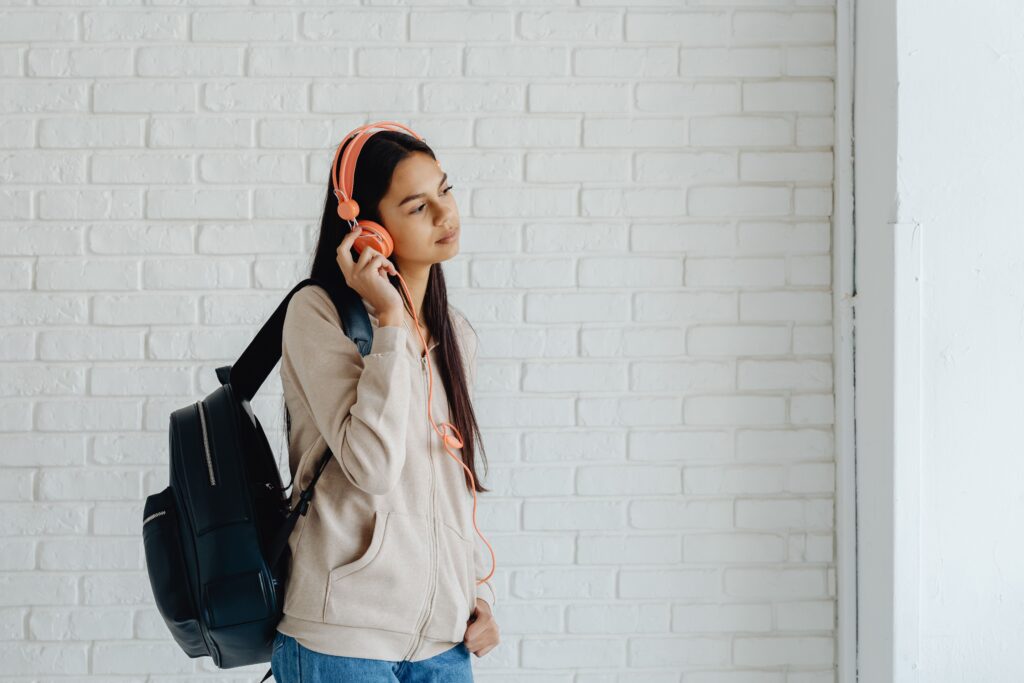
Brands need to recognize that this is the new language of youth culture. If your marketing strategy relies entirely on traditional celebrity faces or localized English-language pop, you are actively ignoring the cultural momentum of 2026. Advertisers must begin looking at these decentralized, lore-driven, and highly participatory communities.
The narrative surrounding Vocaloid has fundamentally shifted. With major festival billings, sold-out global tours, and viral domination across every short-form video platform, the synthesized voice has become the defining soundtrack for a new generation. The teenagers of 2026 have found their counterculture. Brands that learn to sing along will capture a cultural moment and capture the attention of teens.
Strategic Recommendations: How Brands Can Capitalize via Contextual Music Streaming
Understanding the Vocaloid wave is only half the equation; the real challenge for advertisers is executing media buys that reach these young listeners safely, accurately, and effectively.
At SuperAwesome, we help brands seamlessly activate on trends like these by producing custom, fandom-aligned audio creative and placing it on contextually relevant inventory. By crafting native ads that match the specific vibe of the culture and placing them directly into these teens’ daily listening sessions, we enable brands to capture authentic, high-recall attention in a way that is brand-safe and compliant.
Ready to Make Music a Part of Your Youth Strategy?
Discover how SuperAwesome can help you reach teen audiences through culturally relevant, contextually targeted audio.