
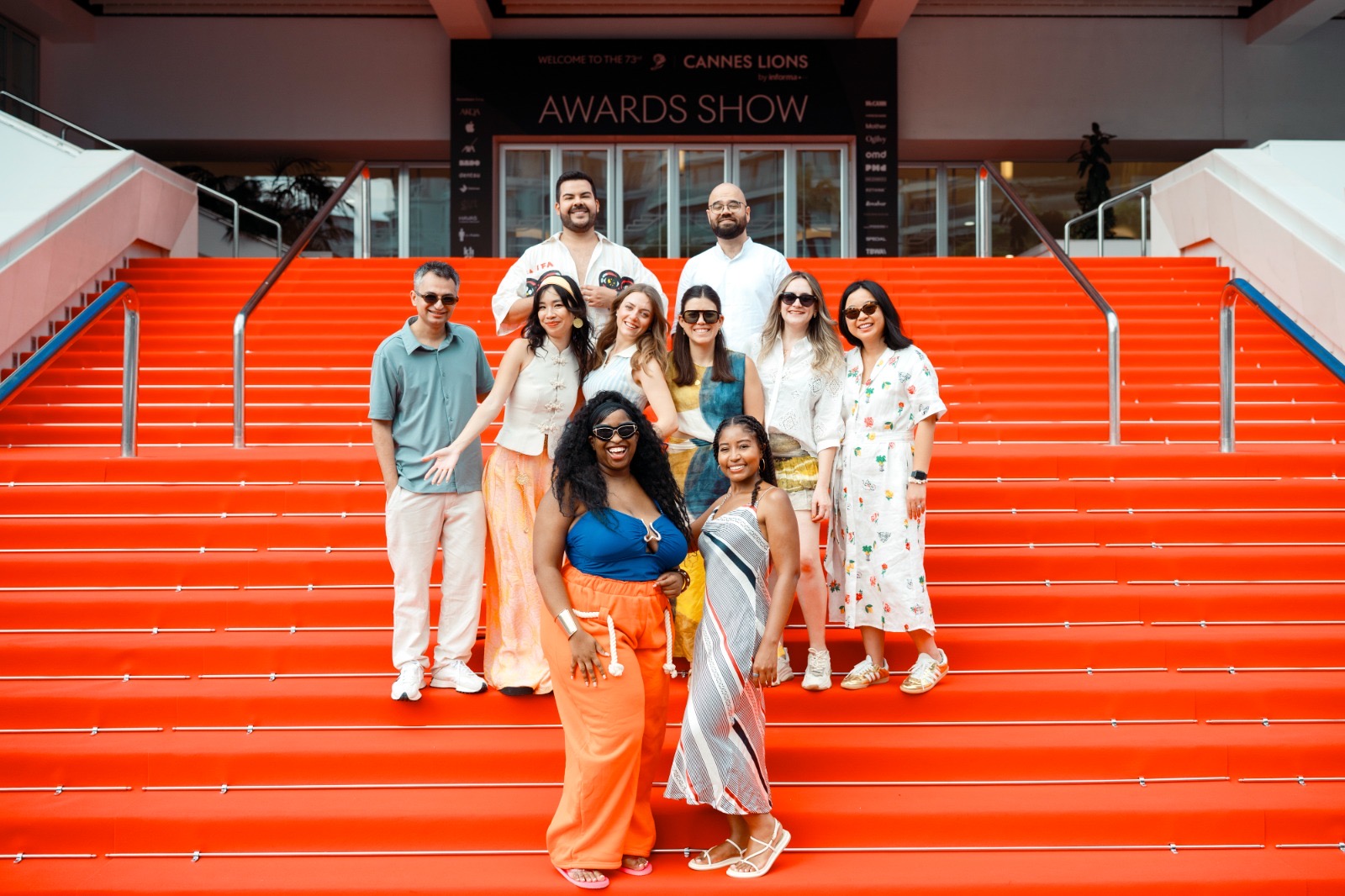
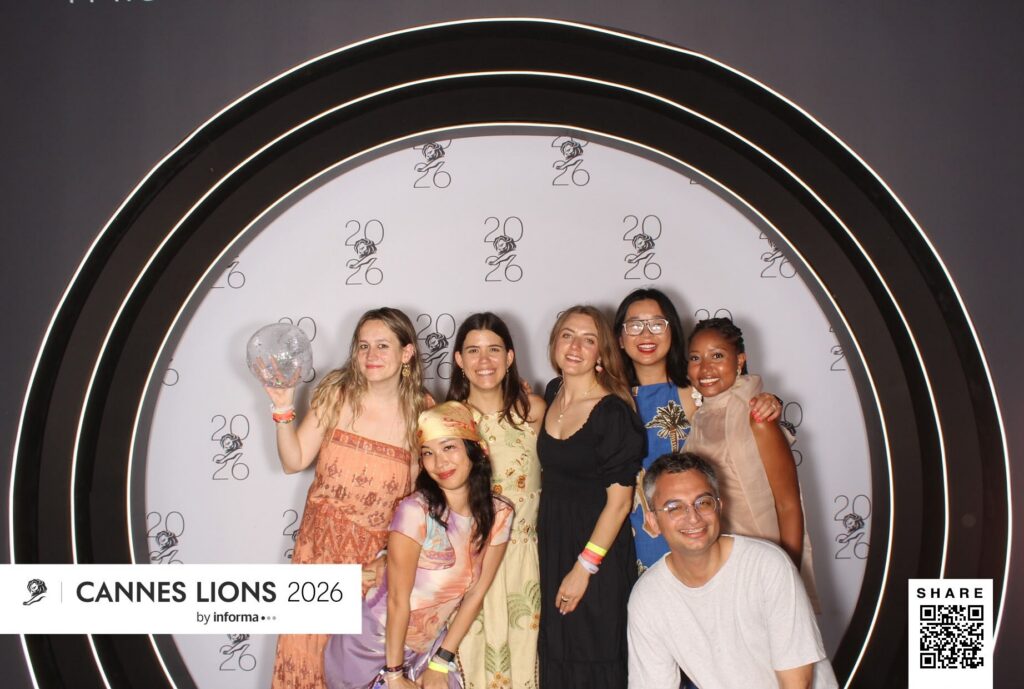
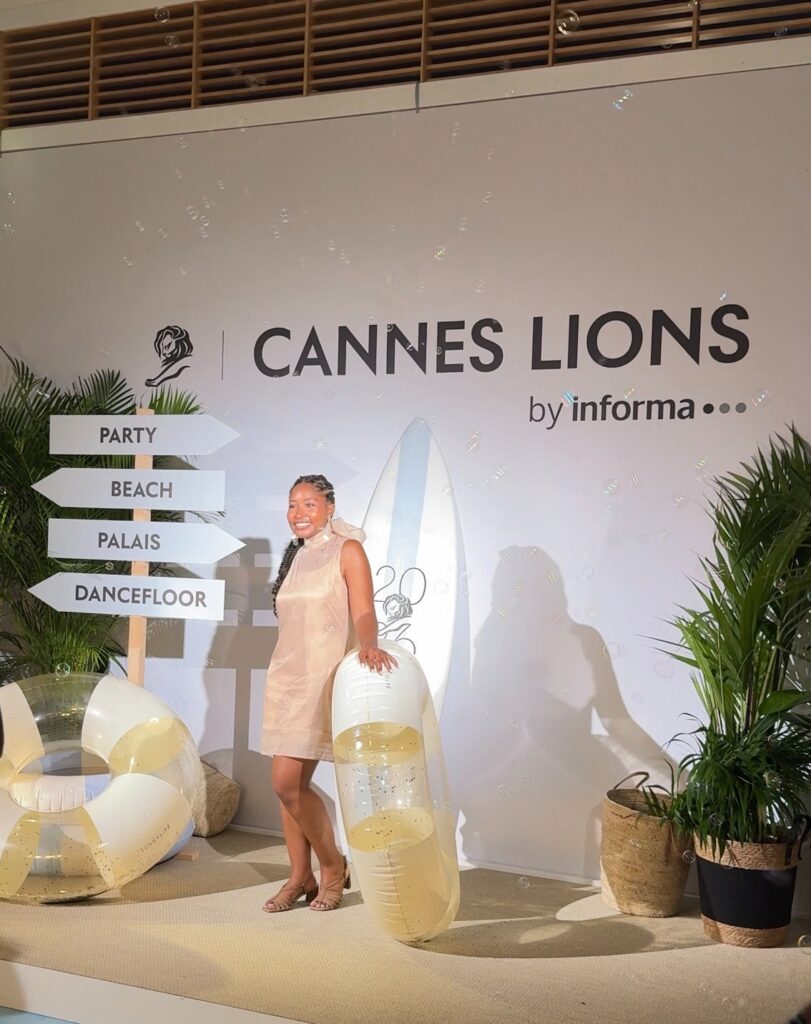
Cannes Lions had been on my career wish list for a long time. It is one of the few places where the global advertising industry comes together to celebrate its best creative work and explore where marketing is heading next. I first attended in 2022 through the Cannes Lions Media Academy. The experience gave me a more global view of the industry and left me determined to find my way back. This year, I returned as a recipient of the Jodi Harris Scholarship. Alongside nine emerging marketers from around the world, I had the opportunity to learn from industry leaders, attend sessions, and meet people whose work I had followed for years.
Being back provided a new opportunity to experience Cannes Lions, and my new role at SuperAwesome gave me a clear lens to experience the festival. With my work focused on helping brands connect with youth audiences in authentic and meaningful ways, I explored how they were represented across the ideas, trends, and creative work discussed throughout the week.
What surprised me was not the volume of discussion about youth audiences, but how rarely their perspectives seemed to be part of it. I left Cannes Lions convinced that the industry is still viewing youth culture largely through a Gen Z lens, even as Gen Alpha begins to reshape it. Three lessons stayed with me.
1. Start Thinking About Gen Alpha Now
One question surfaced repeatedly throughout the week: How do we reach Gen Z?
It remains an important question, but comparatively few conversations focused on Gen Alpha, despite the generation’s growing cultural and commercial influence.
The oldest members of Gen Alpha are already teenagers. They are growing up with artificial intelligence, gaming, creators, and participatory digital spaces as natural parts of everyday life. They are not simply future consumers waiting in the wings. They are already influencing household spending and shaping what people watch, wear, buy and talk about.
Youth audiences are often among the first to discover new products, adopt new behaviors and signal what may resonate more widely. Across beauty, fashion, food, entertainment, and technology, products can gain relevance with these audiences well before they achieve commercial scale.
Brands that overlook Gen Alpha risk missing the early signals of where culture and consumer behavior are heading.
2. Build with Youth Audiences, Not Just for Them
Some of the strongest work I saw at Cannes Lions recognized youth audiences as collaborators and experts in their own experiences.
Allianz demonstrated this through Ask a Teen, a campaign that used authentic teen language to reveal the hidden codes of cyberbullying and help parents understand what their children might be experiencing online.
Teenagers were not simply the audience for the campaign. Their knowledge made the idea possible. It was a powerful reminder that youth participation should begin at the strategy stage through creators, advisory groups, and community input.
Playmobil approached participation through play. Its Roblox experience based on Sky Trails allowed children to explore the product in a digital world before owning the physical toy.
Both examples began with an understanding of how youth audiences communicate and experience the world. The creative ideas followed from that insight.
For brands, the question should not only be, “How do we reach this audience?” It should also be, “How can this audience help us create something more relevant?”
3. Design Creator Partnerships Around the Audience
One of my favorite sessions at Cannes Lions was “The New Creative Playbook”, which brought together perspectives from PMG, Expedia, and Adobe. Its message was clear: creators should be treated as strategic partners, not simply as media channels.
The most interesting discussions moved beyond individual posts and standard media placements. The strongest creator partnerships now extend across content, community, commerce and a brand’s owned channels.
The starting point should not be, “Where can we place this creator?” It should be, “How does this audience discover and build trust with the creators they care about?”
We recently put that thinking into practice when SuperAwesome partnered with Aéropostale and Tinuiti to introduce Deja Clark’s exclusive collection to teen audiences.
Instead of placing a standard advertisement, we brought Deja onto three influential teen podcasts: Pucker Up, The LOL Podcast, and Rock Squad. Custom interviews and branded segments were designed to feel natural within each show.
Full episodes appeared on YouTube and Spotify, while shorter clips extended the story across TikTok and Instagram. Aéropostale also featured the content through its website and email marketing.
The result was more than a creator activation on a single channel. It gave teen audiences several ways to discover Deja, her collection, and the brand within the spaces and formats they already use.
The opportunity for brands is to build creator relationships around the complete audience experience, rather than around a single campaign deliverable.
Final Thoughts: Make Space for the Voices Shaping Culture
My experience at Cannes Lions reminded me that understanding where culture is heading also means considering whose voices are part of the conversation. Youth audiences are often among the first to discover new ideas, embrace new behaviors, and influence what captures wider attention, yet their perspectives are not always represented in the rooms where decisions are made.
There is a real opportunity for brands to change that. Preparing for Gen Alpha’s growing influence starts with getting closer to the communities already shaping culture, listening to how they experience the world and inviting them to play a meaningful role in the creative process.
I left Cannes Lions excited about what the future could look like if youth audiences had a greater voice in these conversations. By listening now, brands can build stronger connections with the next generation and create work that feels more relevant, inclusive, and meaningful.
Understand the Next Generation of Culture Makers
Our latest research – 𝐂𝐮𝐥𝐭𝐮𝐫𝐞 𝐌𝐚𝐤𝐞𝐫𝐬: 𝐇𝐨𝐰 𝐓𝐞𝐞𝐧𝐬 𝐃𝐞𝐟𝐢𝐧𝐞 𝐅𝐚𝐧𝐝𝐨𝐦𝐬, 𝐓𝐫𝐞𝐧𝐝𝐬 & 𝐒𝐩𝐞𝐧𝐝 – explores the teen communities, fandoms, and cultural forces shaping what comes next and how brands can build more relevant connections by listening to them.
Be the first to get ‘Culture Makers’ when it launches – sign up now to discover how teens really define fandoms, trends, and spend, and what it means for your brand.